Stone Cellar Flooding Cleanup in Newport, RI
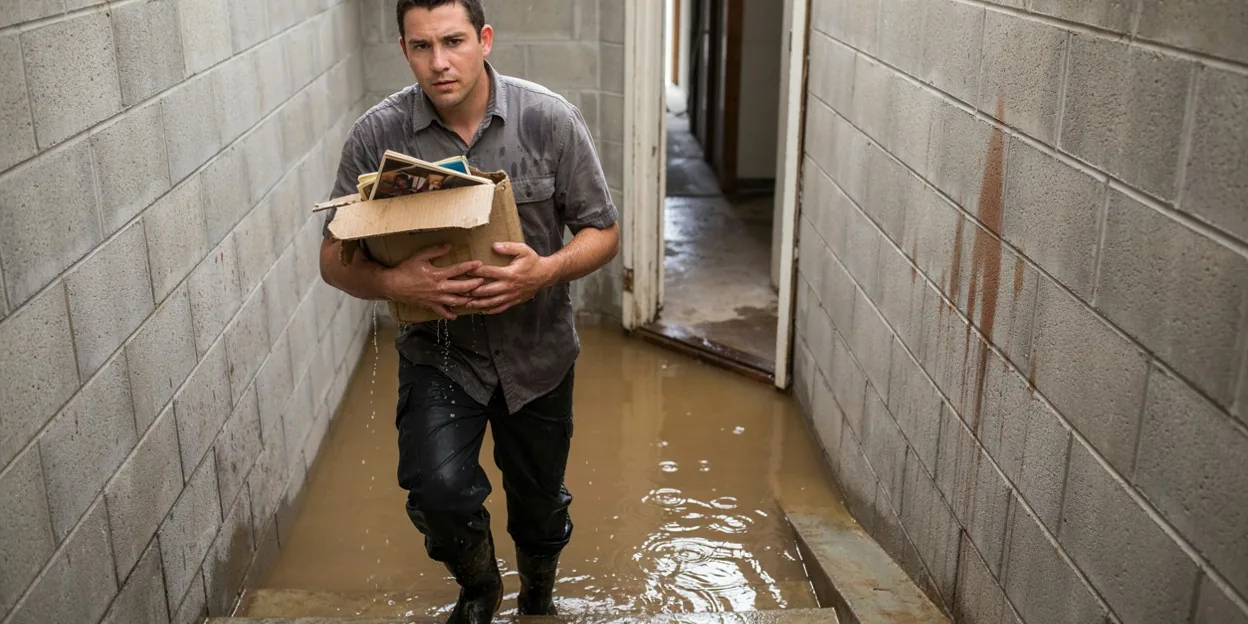
The cellar under your Historic Hill house has had a damp corner every April for as long as you have owned it. This year the April rain landed on a spring tide, and the damp corner became four inches of water across the whole brick floor, with the furnace platform an island in the middle. This site puts you through to an independent local provider who cleans up flooded stone cellars in Newport and across Newport County.
Finding where the water came through the stone
A rubble fieldstone cellar has no footing drain, no waterproofing, and a hundred joints per wall, so the crew's first job is to work out which way the water came in. Groundwater through the joints leaves a wet band low on the wall on the uphill side. A tide or a surcharged storm drain comes in through the floor drain or the bulkhead and leaves a line on every wall at the same height. A failed pipe leaves the wettest spot under the pipe. Once they know the way in, they pump out the standing water and meter the sill and the first-floor joists overhead, because that is the wood that matters.
The floor is next. Brick and packed dirt hold water for weeks, and a cellar floor that never dries keeps the whole house damp from below.
What to do while the water is still down there
Do not go down if the panel or any outlet is under water or near it. Cut the cellar circuits from upstairs if you can. Move anything on the cellar floor that you can reach safely from the stairs, especially paper, cardboard, and anything with a motor. Photograph the water line on the stone. Do not run the furnace or boiler until someone has looked at them. Then call, and say whether the cellar walls are stone or block and whether the floor is brick, dirt, or concrete.
Stone stays, but not everything down there does
Stone and brick stay and are cleaned. The sill and the joists usually dry in place if the crew gets equipment on them within a few days, though a sill that has sat on wet stone for two centuries often reads damp even in a dry year. Anything stored on the floor that soaked through comes out. Framed and drywalled partitions from a later cellar finishing job are opened at the base and usually lose their bottom foot. A sump pit and pump may be part of the fix if the water is groundwater, and a check of the floor drain and the bulkhead if it came from the street. Structural drying runs after the water is out, with the dehumidifier doing most of the work in a space that has never been dry.
If the water was salt, the job becomes a storm surge and coastal flood cleanup and the crew handles the removal differently.
Two centuries of cellars a few feet above the harbor
Newport's oldest neighborhoods sit low. Houses on the Point from the 1720s stand four or five feet above sea level with cellars that go below the tide line at a spring high. Historic Hill climbs from Thames Street on cellars cut into ledge and laid up in rubble, so groundwater running downhill toward the harbor passes through every one of them. The Fifth Ward's 1890s two-families along Wellington Avenue sit on stone or early brick foundations on filled marsh. Across the Sakonnet in Tiverton and Little Compton, the farmhouses have the same fieldstone cellars under a lot more rock.
The Newport Restoration Foundation has recorded routine cellar flooding on the Point from tides alone, and harbor water has gone up the streets in every big storm from 1938 to Sandy in 2012. A cellar that floods once a decade from the harbor and every spring from the ground needs both problems named before the fix is chosen.
Groundwater seepage is usually excluded from a homeowner policy, and sea water is a flood claim, so most stone cellar jobs are paid by the owner. Ask for the readings and the scope in writing all the same, since they set what the rebuild costs.
Calling about water on the cellar floor
Say whether the walls are stone, how deep the water is, whether it is salt or fresh, whether the furnace or boiler sat in it, and whether this happens every spring. Call (401) 560-5802.